

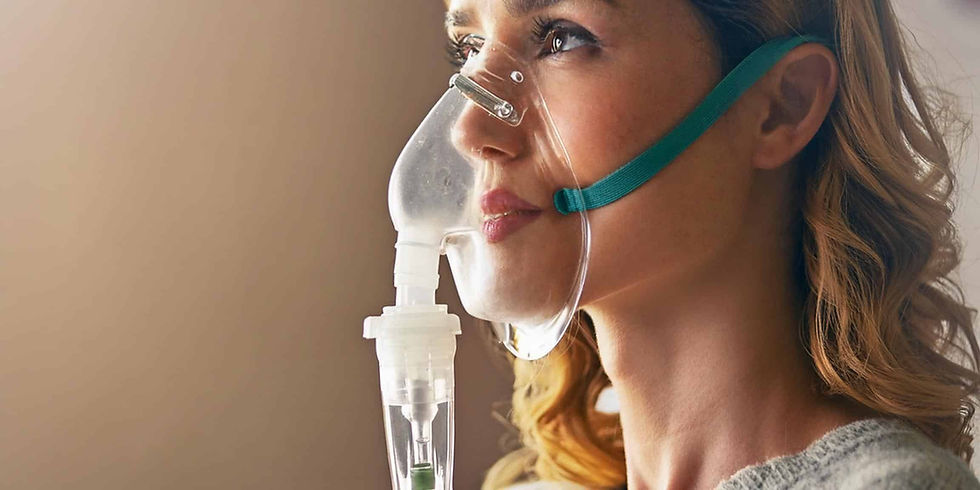
HYDROGEN INHALATION SYSTEM
Integrated molecular hydrogen medium for regulation of oxidative dynamics, cellular adaptation and systemic physiological resistance.
Unlike standard hydrogen inhalation systems used in consumer wellness environments, the NOVUS MOLECULAR HYDROGEN INHALATION SYSTEM is configured according to a specification developed for the operational architecture of NuCELL NOVUS and adapted to the requirements of the Albina Fabiani system.


The system uses: high-performance 12000 ml/min molecular hydrogen architecture
Built on:
- high-power medical-grade power supply
- Industrial-grade electrolysis stabilization
- enhanced current and voltage resistance
- high Continuous Operation Capacity
- precise molecular output dynamics
The configuration is developed with: over 30% higher operational power capacity
compared to standard moderate-output systems widely used in the wellness industry.
This allows:
- more stable molecular concentration
- constant output for long sessions
- minimal fluctuations in electrolysis dynamics
- high operational consistency profile
- controlled inhalation environment in intensive protocols
Within the NuCELL system, the NOVUS molecular hydrogen environment is structured so that hydrogen and oxygen can be used in both combined and split operational dynamics, according to the needs of the specific integrative protocol.
The system operates with a natural molecular ratio of 2:1 between hydrogen and oxygen, which allows for precise regulation of the gas environment and a higher level of adaptation between oxygen-support dynamics and molecular hydrogen modulation layers.
In the operational architecture of NuCELL NOVUS, this configuration is not used as a standard inhalation output, but as part of a coordinated molecular regulation environment developed specifically for the integration between different modules and physiological environments in the Albina Fabiani system.
It is precisely this integrative sequencing logic that makes the operating model impossible for actual replication outside of the NuCELL NOVUS architecture. Within the framework of NuCELL NOVUS, the system is not used as a standard hydrogen inhalation procedure, but as: molecular redox modulation environment. That is, a controlled molecular gas architecture designed to support physiological adaptation, cellular resistance and regulatory dynamics under conditions of high functional load.
How the procedure works:
The session takes place in a controlled inhalation environment, in which molecular hydrogen flow is supplied in a precisely regulated operational range according to:
- adaptation capacity
- oxidative load
- physiological reactivity
- neurovegetative dynamics
- metabolic activity
- the sequence of the integrative protocol
In the operational architecture of NuCELL NOVUS, the parameters are not used according to a fixed template, but are modulated according to:
- the intensity of the protocol
- the needs of the specific physiological environment
- vascular reactivity
- the degree of system load
- integration with the rest of the modules
Depending on the operational sequencing, the following can be adjusted:
- fow Dynamics
- the intensity of molecular output
- the duration of the exposure
- the rhythmic sequence
- the degree of physiological activation
В operational architecture на NuCELL NOVUS модулът функционира като: systemic molecular stabilization layer
That is, a controlled molecular environment designed to support cellular adaptation, internal regulatory resistance and physiological stability within the integrated system.
Within NuCELL NOVUS, this module does not function as a standalone technology, but as part of a larger integrative architecture developed by Albina Fabiani, a system in which individual environments, modules and regulatory layers are combined in a controlled sequence in order to optimize physiological adaptation, internal metabolism and overall functional efficiency of the organism.